
Safety & Compliance
Licensed, insured, and committed to excellence, Nexus Electrical Group maintains strict safety and compliance standards on every project, from residential upgrades to complex public infrastructure work.
Serving Beaverton & Portland Metro
Electrical Safety & Compliance Standards
Understanding the codes and standards that guide safe electrical installations, inspections, and ongoing maintenance.
NEC Article 394
Knob-and-Tube Wiring
1
Addresses older knob-and-tube wiring systems commonly found in homes built before 1950. The code helps identify safety concerns related to aging wiring, insulation, and electrical capacity.
2
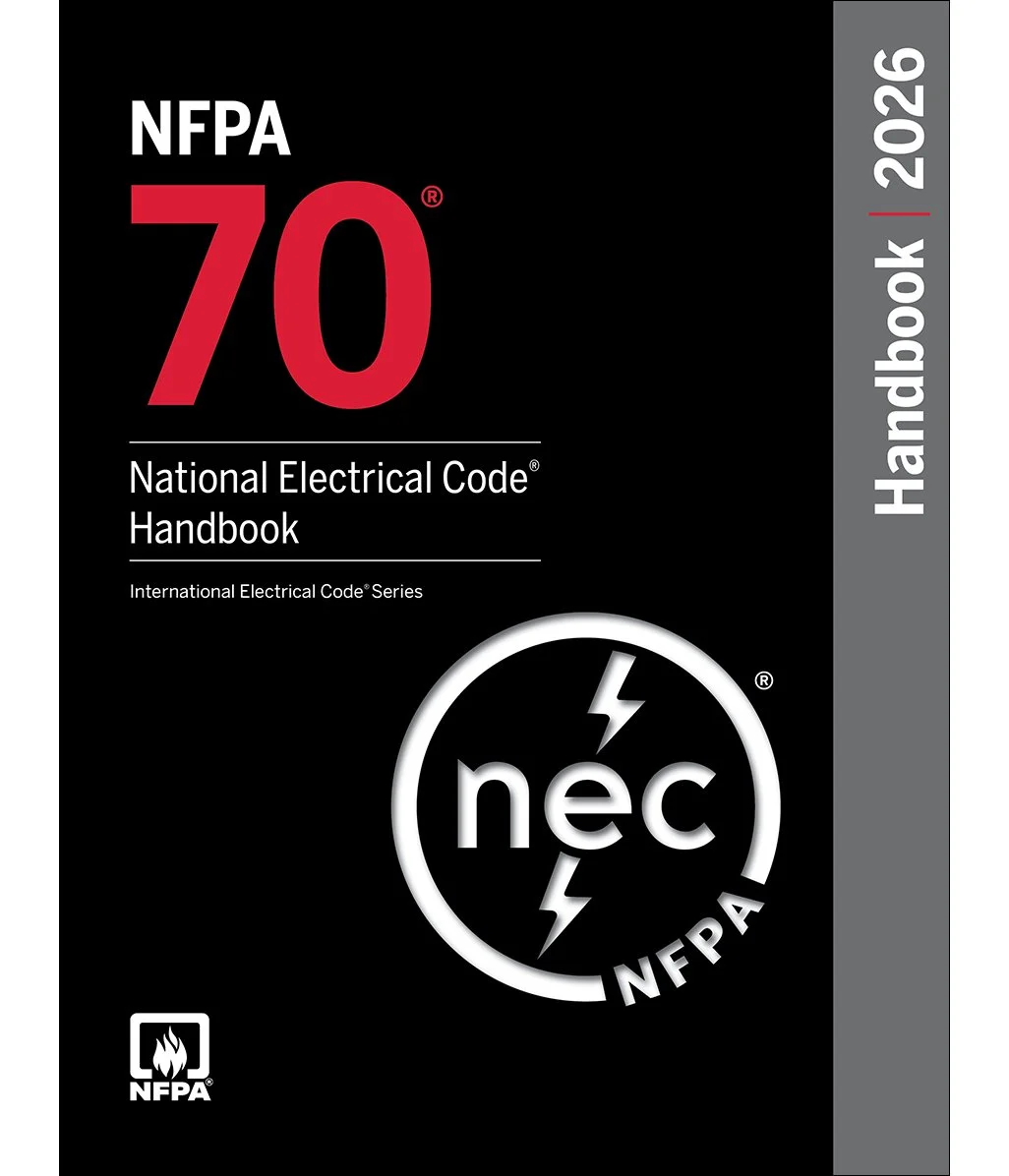
The primary electrical safety standard used throughout the United States. It establishes requirements for safe electrical design, installation, and inspection practices.
3
Provides guidelines for maintaining electrical systems and equipment through inspections, testing, documentation, and preventive maintenance to reduce failures and safety risks.
Infrared Thermography
Thermal Electrical Inspections
4
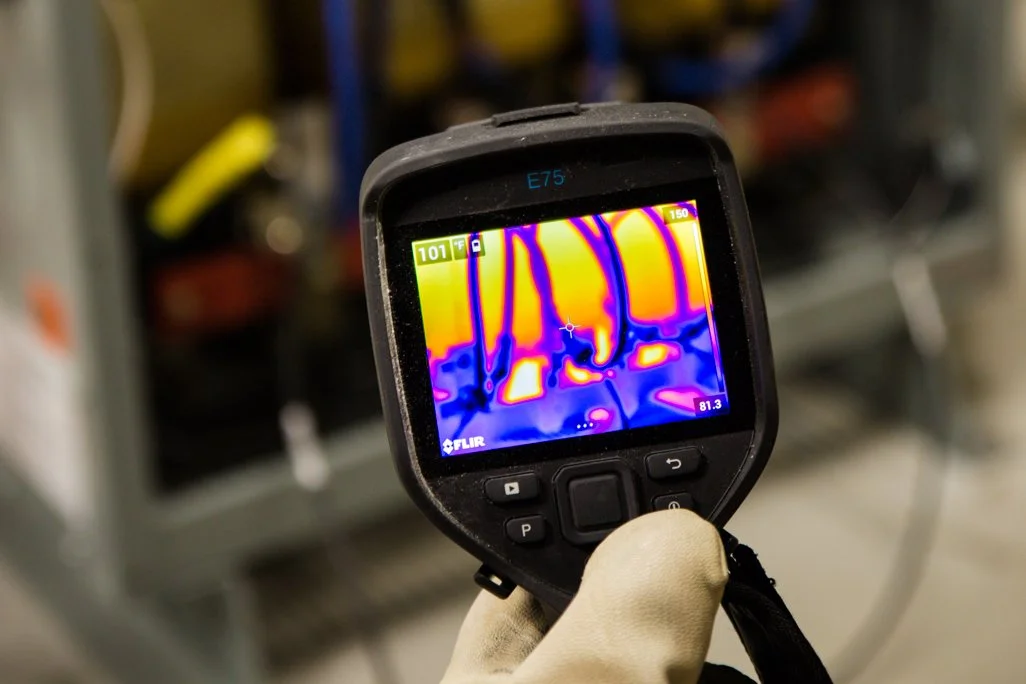
Uses infrared imaging to identify overheating electrical components before they lead to equipment failures, outages, or fire hazards.
Electrical Codes Worth Knowing: NEC Article 394 and NFPA 70B
Electrical codes can feel like alphabet soup until they affect your home, business, insurance, or inspection. Two standards worth knowing are NFPA 70, better known as the National Electrical Code, and NFPA 70B, the standard focused on electrical equipment maintenance.
You do not need to memorize either one. That is our job. But understanding the basics can help you make better decisions when you are dealing with older wiring, panel upgrades, generators, or commercial maintenance.
NEC Article 394: Why Knob and Tube Wiring Gets Attention
NFPA 70 is the National Electrical Code. Inside it, Article 394 covers concealed knob-and-tube wiring. This matters for older homes around Beaverton, Portland, and the surrounding metro area because many homes built before 1950 may still have knob-and-tube wiring in walls, attics, or crawlspaces.
Knob-and-tube wiring was acceptable in its time, but it was designed for a very different electrical load. It has no grounding conductor, the insulation can break down with age, and it is not meant to be surrounded by modern blown-in insulation.
That last point is a big one. When old conductors are buried in thermal insulation, heat has nowhere to go. That is one reason knob-and-tube wiring often comes up during remodels, insulation upgrades, home sales, and insurance reviews.
If your home still has active knob-and-tube wiring, Nexus Electrical Group can inspect it and help plan a safe knob-and-tube wiring replacement or related electrical panel upgrade.
NFPA 70B: Maintenance for Electrical Equipment
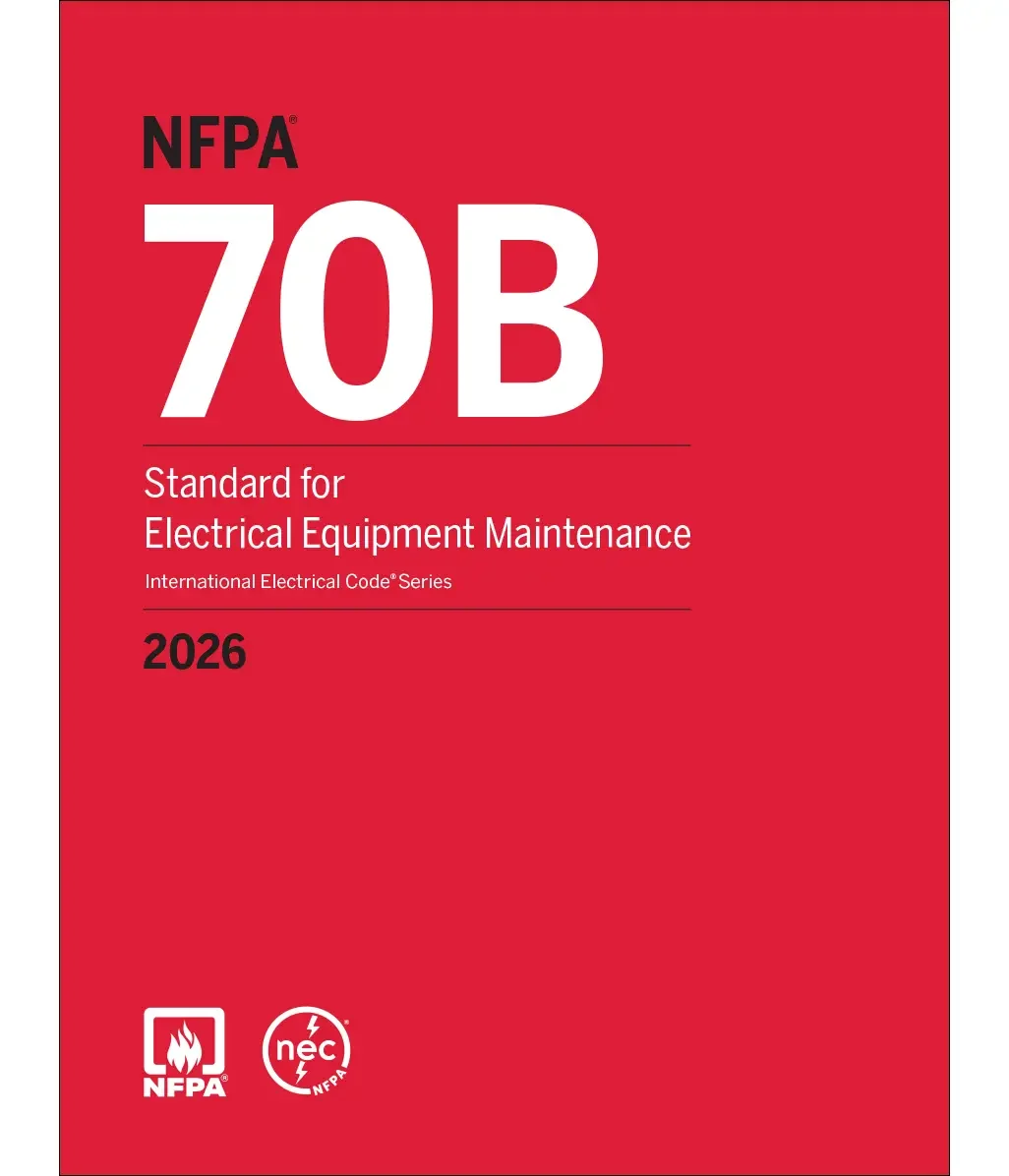
NFPA 70B focuses on electrical equipment maintenance. Historically, it was treated as a recommended practice. The 2023 edition made a major shift and is now written as a standard, using mandatory language like "shall" instead of softer advisory language.
That change matters because it makes NFPA 70B easier for contracts, insurance requirements, facility policies, and authorities having jurisdiction to reference. In plain English, commercial building owners may start hearing more about 70B when insurers, property managers, or maintenance teams ask for documented electrical maintenance.
What NFPA 70B Covers
NFPA 70B focuses on electrical equipment maintenance. Historically, it was treated as a recommended practice. The 2023 edition made a major shift and is now written as a standard, using mandatory language like "shall" instead of softer advisory language.
That change matters because it makes NFPA 70B easier for contracts, insurance requirements, facility policies, and authorities having jurisdiction to reference. In plain English, commercial building owners may start hearing more about 70B when insurers, property managers, or maintenance teams ask for documented electrical maintenance.
Why Infrared Scans Matter
One practical part of electrical maintenance is infrared thermography. An infrared scan can help identify hot spots in energized electrical equipment before they become outages, damaged components, or fire risks.
For commercial properties, annual infrared inspections can be a smart part of a preventive maintenance plan. They are especially useful for facilities with critical loads, production equipment, tenant spaces, backup systems, or expensive downtime.
What This Means for Nexus Customers
For homeowners, Article 394 is the one that usually shows up first. If an older home still has knob-and-tube wiring, the safest path is a proper inspection, a realistic replacement plan, and code-compliant rewiring.
For commercial clients, NFPA 70B creates a stronger framework for maintenance agreements, documented inspections, and recurring service. It also connects directly to equipment Nexus Electrical Group already works with, including panelboards, standby systems, and backup generator installation
And for homeowners planning bigger upgrades, code awareness matters before adding a Level 2 EV charger, generator circuit, heat pump, or smart panel.
The Bottom Line
Codes and standards are there to reduce risk. They help keep wiring safe, equipment maintained, and projects clear for inspectors, insurers, and property owners.
If you are not sure whether your wiring, panel, or electrical equipment is ready for the next upgrade, Nexus Electrical Group can take a look, explain what matters, and help you plan the work the right way.