
Issues Getting Insurance to Replace Your Home’s Knob-and-Tube Wiring?
Read on for answers and solutions from a trusted Beaverton electrician
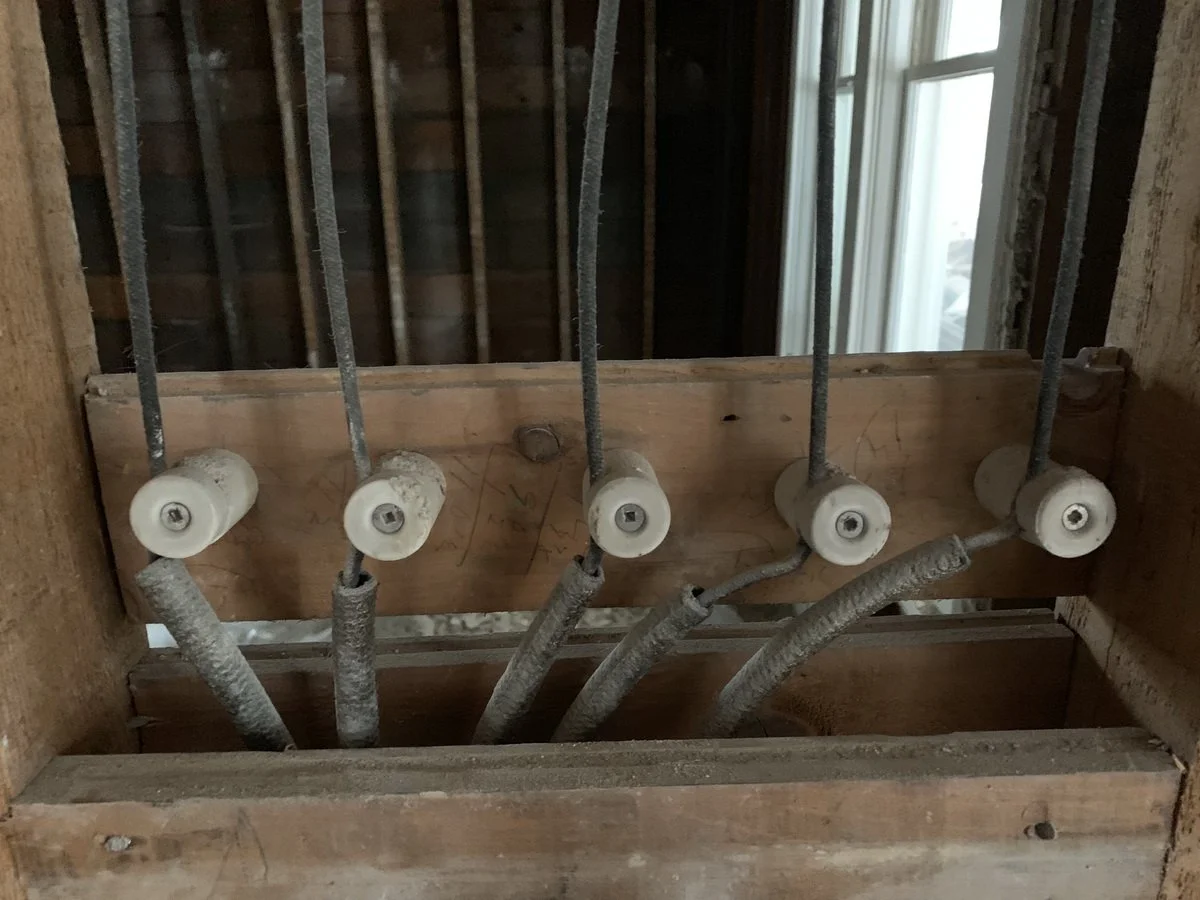
Did you know?
Knob-and-tube wiring usually has no equipment grounding conductor, which matters because modern panels, AFCI/GFCI protection, EV chargers, HVAC equipment, appliances, and smart-home loads are designed around modern wiring standards.
In short: knob-and-tube wiring is an early-1900s electrical system that lacks a grounding wire and wasn’t built for modern electrical loads. Many Oregon home insurers now decline, limit, or add conditions to coverage when this wiring is still active, which is why homeowners often need an inspection or a replacement plan before they can renew or qualify for a policy.
Why Are Insurers Concerned About Knob-and-Tube Wiring?
Homeowners with older electrical systems are increasingly running into problems when trying to obtain or renew homeowners insurance. One of the most common issues involves active knob-and-tube wiring.
This has become a larger concern over the past several years, especially in older homes throughout Beaverton and the greater Portland metro where knob-and-tube wiring is still found behind walls, in attics, and in basements. While the wiring may have served the home for decades, many insurance companies now view it as a higher-risk electrical system that needs additional inspection, documentation, or replacement.
Many standard homeowners insurance companies are becoming more restrictive when it comes to homes with active knob-and-tube wiring. Depending on the insurer, homeowners may face:
Declined applications for new homeowners insurance policies.
Required electrical inspections from a licensed electrician.
Requirements to replace knob-and-tube wiring within 30 to 90 days after closing.
Higher insurance premiums.
Reduced or limited coverage.
Cancellation or non-renewal if an inspection finds active knob-and-tube wiring.
For many homeowners, this issue first comes up during a home sale, refinancing, insurance renewal, or inspection. In some cases, the homeowner may not even know the wiring is still active until an insurance company or home inspector flags it.
Knob-and-tube wiring does not automatically mean a home is unsafe, but insurance companies are concerned because of the age, condition, and limitations of these systems.
The main concerns of insurers include:
No equipment grounding conductor.
Aging cloth or rubber insulation that may become brittle or damaged over time.
Improper modifications made by previous homeowners or unlicensed workers.
Modern electrical loads that are much higher than what knob-and-tube systems were designed to handle.
Hidden splices, overloaded circuits, and wiring covered by insulation.
These issues can increase the risk of overheating, electrical faults, and fire hazards, especially when the wiring has been altered or buried in areas where it was not originally intended to be used.
Knob-and-Tube Wiring in Oregon Homes
In the Portland metro area, knob-and-tube wiring is still common in older homes. Many major insurance carriers in Oregon are hesitant to write new standard homeowners policies on homes with active knob-and-tube wiring.
Some insurers may deny coverage outright. Others may offer coverage only after an electrical inspection, require replacement within a specific timeframe, increase premiums, or limit certain parts of the policy.
Existing homeowners can also run into problems if their insurance company orders an inspection and active knob-and-tube wiring is discovered. In those cases, the homeowner may receive a notice requiring the wiring to be replaced in order to keep the policy active.
The Oregon Division of Financial Regulations also notes that every insurer has its own underwriting rules, so one company may decline a home while another may insure it under certain conditions.
Insurance Companies That May Consider Homes with Knob-and-Tube Wiring
Insurance policies and underwriting rules change frequently, but some companies and specialty insurance markets have, in certain cases, considered homes with knob-and-tube wiring after inspection or with specific conditions.
These may include:
USAA, for eligible members.
Whether a specific home qualifies depends on several factors, including how much knob-and-tube wiring is still active, whether a licensed electrician can inspect and document its condition, the age and condition of the electrical service, and the insurer’s current underwriting guidelines.
Homeowners should confirm requirements directly with their insurance provider before assuming coverage will be available.
What Homeowners Can Do If They Want to Keep the Wiring Temporarily
Some homeowners are not ready to fully replace their knob-and-tube wiring immediately. In those cases, the best first step is usually to have the system inspected by a licensed electrician.
A homeowner may have a better chance of obtaining or keeping insurance if they can provide:
A licensed electrical inspection.
A written report documenting the condition of the wiring.
Corrections to unsafe splices, overloaded circuits, or damaged wiring.
Smoke detectors and AFCI protection where feasible.
A plan for replacing the remaining knob-and-tube wiring if required by the insurance company.
However, inspection does not guarantee approval from an insurer. In many cases, replacement may still be required.
Why Knob-and-Tube Replacement Matters
Replacing active knob-and-tube wiring can help homeowners reduce electrical risk, improve safety, and satisfy insurance requirements. It can also make the home easier to sell, refinance, or insure.
For older Portland-area homes, replacing knob-and-tube wiring may also create an opportunity to modernize the electrical system. This can include updating circuits, improving grounding, adding dedicated circuits for appliances, and preparing the home for higher electrical demand.
As more homeowners add EV chargers, heat pumps, modern appliances, smart panels, and home technology, older wiring systems often become a limiting factor.
How Nexus Can Help
Nexus helps Portland-area homeowners identify, document, and replace outdated electrical wiring, including knob-and-tube systems.
For homeowners dealing with insurance requirements, the right electrical documentation matters. A licensed electrical contractor can inspect the wiring, identify active knob-and-tube circuits, correct unsafe conditions, complete replacement work, and provide documentation that may be needed for insurance, real estate, or permitting purposes.
Many homeowners first discover knob-and-tube wiring when they are buying or selling a home, renewing insurance, refinancing, or responding to a home inspection report. Nexus can help homeowners understand what is active, what needs to be corrected, and what replacement options make the most sense for the home.
Frequently Asked Questions
Will my insurance company cancel my policy because of knob-and-tube wiring?
Some insurers will decline to renew a policy if an inspection finds active knob-and-tube wiring, while others may keep the policy in place but require repairs or replacement within a set timeframe. Requirements vary by insurer, so it’s best to confirm your specific policy’s rules directly with your provider.
How long do I have to replace knob-and-tube wiring after buying a home?
It depends on the insurer, but many that allow a grace period typically require replacement within 30 to 90 days of closing. Some insurers may require the work to be completed before coverage even begins.
How much does it cost to replace knob-and-tube wiring in Portland or Beaverton?
Cost depends on the size of the home, how much wiring is still active, and how accessible it is behind walls and ceilings. A licensed electrician can give you an accurate estimate after inspecting the property.
Schedule a Knob-and-Tube Wiring Inspection
If your insurance company, home inspector, or real estate transaction has raised concerns about knob-and-tube wiring, the next step is to have the system inspected by a licensed electrician.
Nexus can help determine whether knob-and-tube wiring is still active, explain the condition of the system, and provide replacement options that support safety, code compliance, and insurance documentation.
