
Knob and Tube Wiring in Oregon Homes: What Homeowners Need to Know
Did You Know?
Nexus Electrical Group helps Portland Metro homeowners identify, inspect, and replace aging knob-and-tube wiring to improve safety, support modern electrical demands, and prepare homes for future upgrades. Check out our other blog on knob-and-tube wiring to learn more about how this topic can affect homeowners insurance by clicking here
5 min read
Many homes built before 1950 in Portland, Beaverton, Hillsboro, and surrounding communities may still contain active knob-and-tube wiring. While it was considered safe when originally installed, today's electrical demands are significantly different from those of the early 1900s.
If you're planning a remodel, insulation upgrade, panel replacement, or home purchase, it's worth understanding how knob-and-tube wiring can affect safety, insurance, and future electrical upgrades.
What Is Knob-and-Tube Wiring?
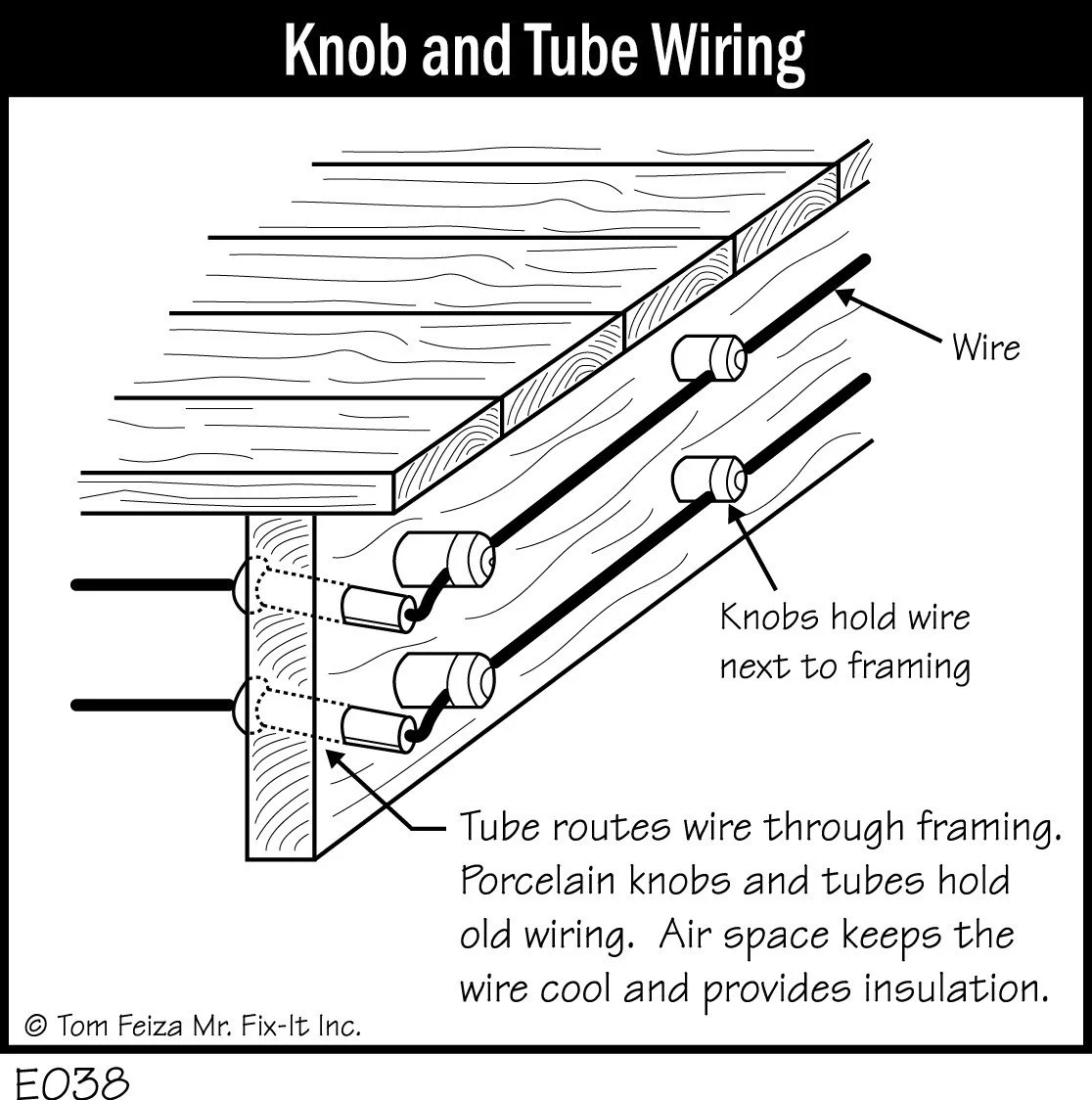
Knob-and-tube wiring was one of the first standardized electrical wiring systems used in North American homes. Installed from the late 1800s through the 1940s, it uses ceramic knobs and tubes to support and protect individual electrical conductors as they pass through walls, ceilings, and framing members. At the time, it was an effective solution for powering lighting and a limited number of household appliances. The problem is that modern homes place far greater demands on electrical systems than knob-and-tube wiring was ever designed to support.
Why Is Knob-and-Tube Wiring a Concern?
No Equipment Grounding: Knob-and-tube systems do not include a grounding conductor. Modern appliances, electronics, and safety devices are designed with grounding in mind, making older wiring less compatible with today's electrical requirements.
**Aging Insulation.** Over time, the insulation surrounding the conductors can become brittle, crack, or deteriorate. Damaged insulation increases the risk of exposed conductors and electrical faults.
**Increased Electrical Demand.** When knob-and-tube wiring was installed, homes typically powered a few lights and small appliances. Today's homes often include:
Air conditioning systems
Electric vehicle chargers
Computers and networking equipment
Home offices
Large kitchen appliances
Heat pumps
Smart home systems
These loads can exceed what older wiring systems were intended to handle.
**Insulation Conflicts.** One of the most common issues occurs when modern blown-in insulation is added around existing knob-and-tube wiring. The wiring was designed to dissipate heat into open air. When buried under insulation, heat buildup can become a concern.
Service Areas
Beaverton, OR | Portland, OR | Tigard, OR | Hillsboro, OR | Lake Oswego, OR | Sherwood, OR | Tualatin, OR | King City, OR
Signs Your Home May Have Knob-and-Tube Wiring
You may have knob-and-tube wiring if:
Your home was built before 1950
You see ceramic knobs or tubes in your attic or basement
Two-prong outlets are still present
Wiring appears to run individually rather than inside a cable jacket
A home inspection report references knob-and-tube wiring
The only way to know for certain is through a professional electrical inspection.
Can You Still Get Homeowners Insurance?
Insurance companies vary in their approach to knob-and-tube wiring.
Some insurers:
Require a licensed electrical inspection
Request documentation showing portions have been replaced
Charge higher premiums
Refuse coverage until upgrades are completed
If you're buying an older home, it's wise to verify insurance requirements before closing.
If you're buying an older home, it's wise to verify insurance requirements and have a licensed electrician like Nexus run an inspection for you before closing.
for more details on this topic, checkout our educational blog on issues and concerns when dealing with homeowners insurance plus our professional opinioning on what you should do.
Should Knob-and-Tube Wiring Be Replaced?
Not every home requires immediate replacement. The right answer depends on:
The condition of the existing wiring
Whether modifications have been made over the years
The home's electrical demands
Planned renovations or upgrades
However, replacement is often recommended when:
The wiring is damaged
The home is being remodeled
A panel upgrade is planned
New circuits are being added
Insurance companies require it
Knob-and-tube wiring isn't automatically dangerous, but it deserves careful evaluation. As homes become more dependent on electricity for transportation, heating, cooling, and technology, older wiring systems can become a limiting factor.
Whether you're purchasing an older home, planning a remodel, or considering an electrical upgrade, a professional inspection can help you understand your options and make informed decisions.
If you suspect your home may contain knob-and-tube wiring, Nexus Electrical Group can evaluate the system and help you determine the safest path forward.
Contact Nexus Electrical Grouptoday to learn more on how we can help you out or give us a call by clicking the button below
